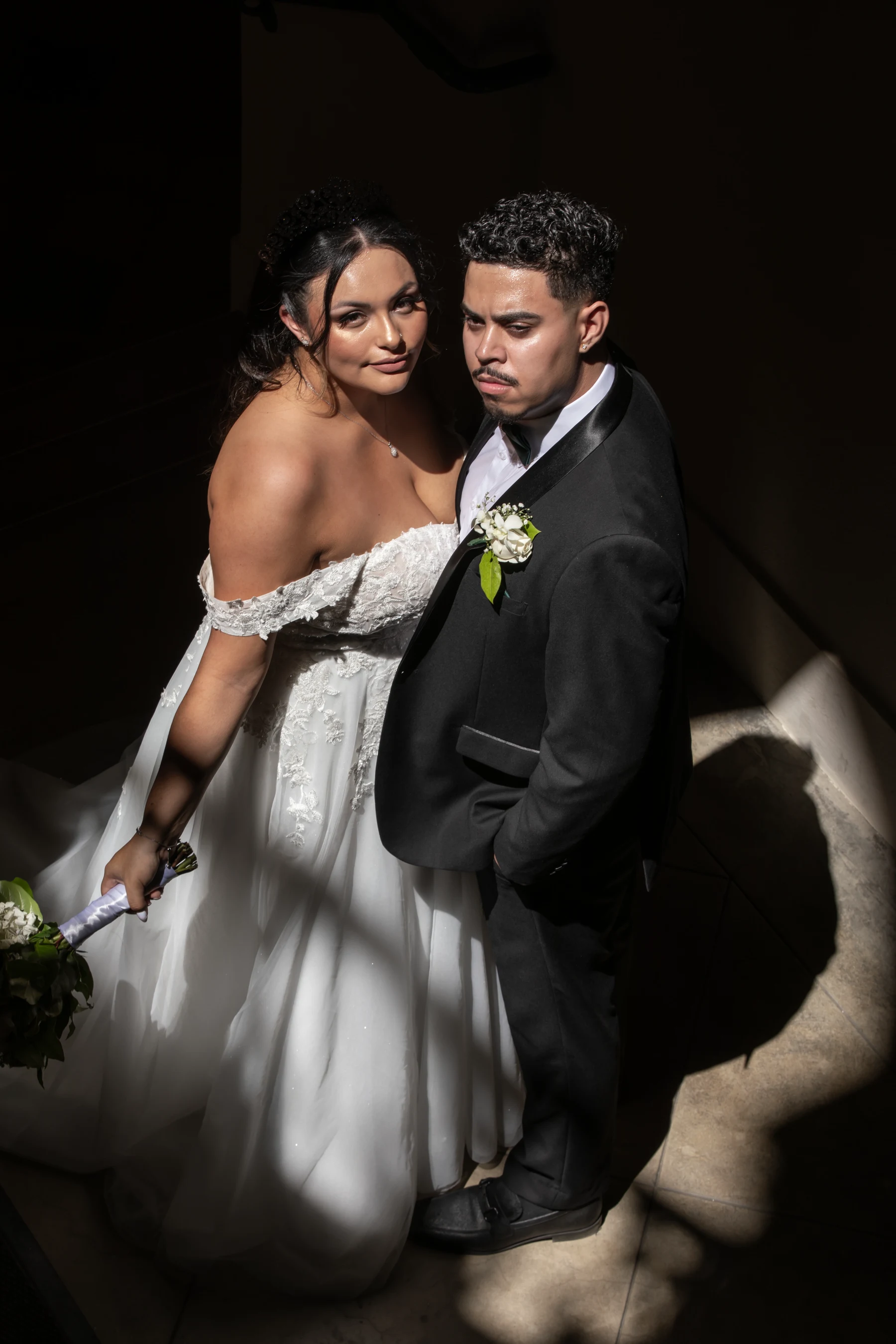
Here is the short answer I give every couple at a consultation: a realistic getting-ready timeline for wedding morning photos in Los Angeles is about two and a half to three hours of photo coverage before you leave for a first look or the ceremony. Not forty-five minutes. Not "just grab a few shots of me in the robe." If hair and makeup are running for a bridal party of five or six, the whole morning is closer to five or six hours, but your photographer only needs to be there for the last stretch of it.
I've photographed and filmed weddings around LA for 17 years, and the getting-ready window is the part of the day that goes sideways most often. Not because anyone did anything wrong. It's because the schedule was written by someone who assumed makeup takes as long as the artist's Instagram caption says it does. So let me walk you through the timeline I actually build, minute by minute, and where the buffer has to live.
The timeline I'd hand you today
This is my default for a 4:00 PM ceremony with a first look, which is the most common shape I see at LA venues from Malibu to Pasadena. Sunset in late spring and summer lands around 7:45–8:00 PM; in November it's closer to 4:45 PM, so the whole thing slides earlier in fall. Work backward from your ceremony and your sunset, not forward from breakfast.
- 7:30 AM — Hair and makeup start (bridal party first, never the bride first).
- 11:00 AM — Groom's side wakes up, eats something real, showers. Nothing to photograph yet.
- 12:00 PM — I arrive at the bridal suite. Detail photos: dress, shoes, rings, invitation suite, perfume, vows, heirlooms. About 40 minutes.
- 12:40 PM — Candids of hair and makeup in progress, champagne, the bridesmaids being ridiculous. 30 minutes.
- 1:10 PM — Bride's final touch-ups on hair and makeup. I'm photographing, my second shooter or cinematographer heads to the groom.
- 1:45 PM — Getting into the dress. Mom or maid of honor buttons or laces. Shoes, jewelry, veil. 25–30 minutes, and lace-up backs take every second of it.
- 2:15 PM — Bridal portraits in the suite and nearest good window light. 15–20 minutes.
- 2:35 PM — Bridesmaid reveal or a few group frames, then the bride hides and travels.
- 2:45 PM — First look and couple portraits.
Count it up: from my arrival at noon to the first look is two hours and forty-five minutes. That is the realistic number. If your timeline has your photographer arriving at 1:30 for a 2:45 first look, something gets cut, and in my experience it's the dress moment, which is the one couples care about most.
Why hair and makeup always runs over
I'll be blunt: hair and makeup will run late at your wedding. I'd estimate it happens at seven out of ten weddings I shoot, and the average slip is 20 to 40 minutes. It isn't the artists' fault most of the time. A bridesmaid shows up late from the hotel. Someone decides mid-chair that they want curls instead of a sleek bun. The mother of the bride adds herself to the list the night before.
The rule I give couples is simple. Ask your artist for their per-person time, add 15 minutes per person, and make the bride the second-to-last in the chair, not the last. That way the artist has one person after you to absorb the delay instead of eating into your dress time. Most LA artists quote 45–60 minutes for hair and 45–60 for makeup per person, so with two artists and a party of six you're looking at roughly four and a half to five hours before the bride is done.
I've watched a beautiful Malibu bluff wedding lose its entire golden hour portrait session because makeup ran 50 minutes over, the first look got pushed, the family formals got pushed, and by the time we were free, the sun had dropped into the marine layer. The morning sets the dominoes for the whole day. If you want the full chain from morning to sparklers, my realistic LA wedding day photography timeline lays it out hour by hour.
Where your photographer actually needs to be, and when
Most photographers won't say this, but you don't need us watching your foundation go on for three hours. It's not interesting, and honestly, nobody looks great mid-contour. What you want are the last 60–90 minutes of hair and makeup, the details, and every second of getting dressed.
That's why I usually arrive two to two and a half hours before the dress goes on, not at the start of glam. I've written a separate piece on why your photographer should arrive two hours before you dress, but the short version is: details first, while you're still in the chair, so you don't feel watched, and so I'm already warmed up and know where the good light is by the time the moment counts.
For the groom's side, 45 to 60 minutes is plenty. Tie, jacket, cufflinks, a toast with the groomsmen, maybe a letter from the bride. If you're working with one photographer and no second shooter, I'll typically pop over to the groom for 30 minutes during the bride's final makeup, which only works if both suites are in the same building. Two hotels ten minutes apart in Santa Monica traffic is not "ten minutes." Plan 25.
The room matters more than the clock
A realistic timeline also assumes a room you can actually photograph in. I've walked into getting-ready suites in Downtown LA hotels with blackout curtains, six rolling suitcases, three garment bags and a room service tray on every surface. I spend the first 15 minutes of my coverage clearing clutter, and that's 15 minutes I'm not photographing you.
Here's what helps the timeline more than anything:
- A big window. North-facing is gold. If your suite faces west in the afternoon, I'll want the sheers drawn.
- One clean corner. Pick the corner where the dress gets put on and keep everything else out of it.
- Details in one box. Rings, shoes, invitation, jewelry, perfume, vow books. If I have to text five people to find the rings, we've lost 20 minutes. My wedding detail photos checklist has the full list of what to put in that box.
- The dress on a real hanger, already steamed. A steamer session at 1:30 PM is how dress time turns into 50 minutes.
- Food that isn't a croissant. I've seen more than one bride nearly faint during the ceremony on an empty stomach. Order protein for 11:00 AM.
How this changes with video in the room
When I'm covering both photography and cinematography, the morning gets a little more choreographed, not longer. My cinematographer wants a few things a stills-only morning doesn't need: a quiet room for letter reading (no blow dryer in the background ruining the audio), a moment to mic the groom before he leaves, and 10 minutes of slow, deliberate detail footage.
This is honestly one of the big reasons couples book ConneryFilm for photography and film under one roof. When the photo and video team are one crew working off one timeline, we're not fighting over the window light or both asking the bride to "do that again." We split the room. I take the dress, the film team takes the letter and the mom's reaction from the other angle. Two separate vendors who met that morning will burn 15–20 minutes negotiating that dance, every time.
What I'd do if it were my wedding
If I were getting married in LA tomorrow, here is exactly what I'd do with the morning:
- Get ready at the venue or within a 10-minute drive of it. Never across town.
- Build in a 30-minute cushion between "bride fully dressed" and "first look," and tell no one it exists except the planner and the photographer.
- Limit the getting-ready room to the people who are actually being styled plus one parent. Twelve people in a hotel room means twelve people in the background of every frame.
- Do the first look. I've seen it give couples 60–90 minutes of their own cocktail hour back, which is the real gift. My take on first look vs first touch walks through when each makes sense.
- Write the letter to your partner the week before, not the morning of. A letter written in the chair at 12:45 PM is a letter written in a panic.
None of that is fancy. It just protects the 2.5 to 3 hours your photographer needs to tell the morning properly.
Common questions about the getting-ready timeline
How long should getting-ready photos take on a wedding morning?
Plan two and a half to three hours of photography coverage before the first look or ceremony. That covers about 40 minutes of details, 30 minutes of glam candids, 25–30 minutes of getting dressed and 15–20 minutes of bridal portraits, with a buffer for delays.
How early should hair and makeup start for a 4 PM ceremony?
For a bride plus five people with two artists, start around 7:00–7:30 AM. Have the artist finish the bride about two hours before the first look, and put one other person after the bride in the chair to absorb any delay.
Do I need my photographer for the whole getting-ready process?
No. The last 60–90 minutes of hair and makeup, the details and the dress are what matter. Paying for three extra hours of foundation going on is not a good use of your coverage budget.
How long does it take to get into a wedding dress?
Budget 25–30 minutes including shoes, jewelry and veil. Corset or lace-up backs and dresses with 40-plus buttons can take longer, so practice once at your final fitting with whoever will be helping you.
Should the groom's getting-ready photos be in the same timeline?
Yes, but they need far less time. Forty-five to sixty minutes covers the tie, jacket, cufflinks and a groomsmen toast. If both suites are in the same building, one photographer can cover both; otherwise book a second shooter or a cinematographer who can split off.
If you're building your wedding morning right now and want a second set of eyes on the timeline, I'd love to help. Send me your ceremony time, venue and how many people are getting glam, and I'll tell you honestly where it's tight. Call or text 818.749.7039, or take a look at our photography and film work at ConneryFilm.com. We'd be glad to hear about your day.
Meet the Author: Connery Davoodian Hello, I'm Connery Davoodian, the visionary behind ConneryFilm, and I'm thrilled to share insights from my 17-year journey through the world of wedding photography and videography. My passion extends beyond simply capturing images; it's about artfully weaving your unique love story into a timeless, cinematic masterpiece. My artistic path began long before I ever picked up a camera, deeply rooted in music as a singer, songwriter, and multi-instrumentalist. This diverse background in directing, producing, and editing has cultivated a unique perspective, allowing me to approach each wedding not just as an event, but as a dynamic narrative waiting to be beautifully told. This blend of technical mastery and creative storytelling is the heartbeat of ConneryFilm, ensuring that every frame, every shot, and every film is infused with depth, emotion, and unparalleled artistic integrity. At ConneryFilm, we believe your wedding memories deserve nothing less than bespoke luxury. My philosophy centers on capturing the authentic, unscripted moments – the genuine smiles, the tender glances, the joyful laughter – that truly define your day. While we obsess over exquisite details and sophisticated aesthetics, our true joy comes from making you feel completely at ease, like a "friendor" who genuinely celebrates alongside you. This calm, organized presence allows your true personalities to shine, resulting in images and films that are as real and vibrant as your love itself. Based in the heart of Los Angeles, California, my team and I are privileged to serve couples across the globe, bringing our signature high-end wedding photography and videography to destination weddings worldwide. Through these blog posts, I aim to share invaluable insights, luxurious inspiration, and practical, fun advice to guide you through your wedding planning journey, helping you make informed decisions about preserving your most cherished moments. Thank you for trusting ConneryFilm to be a part of your extraordinary adventure. I'm excited to share my knowledge and passion with you, helping you create memories that will last forever.