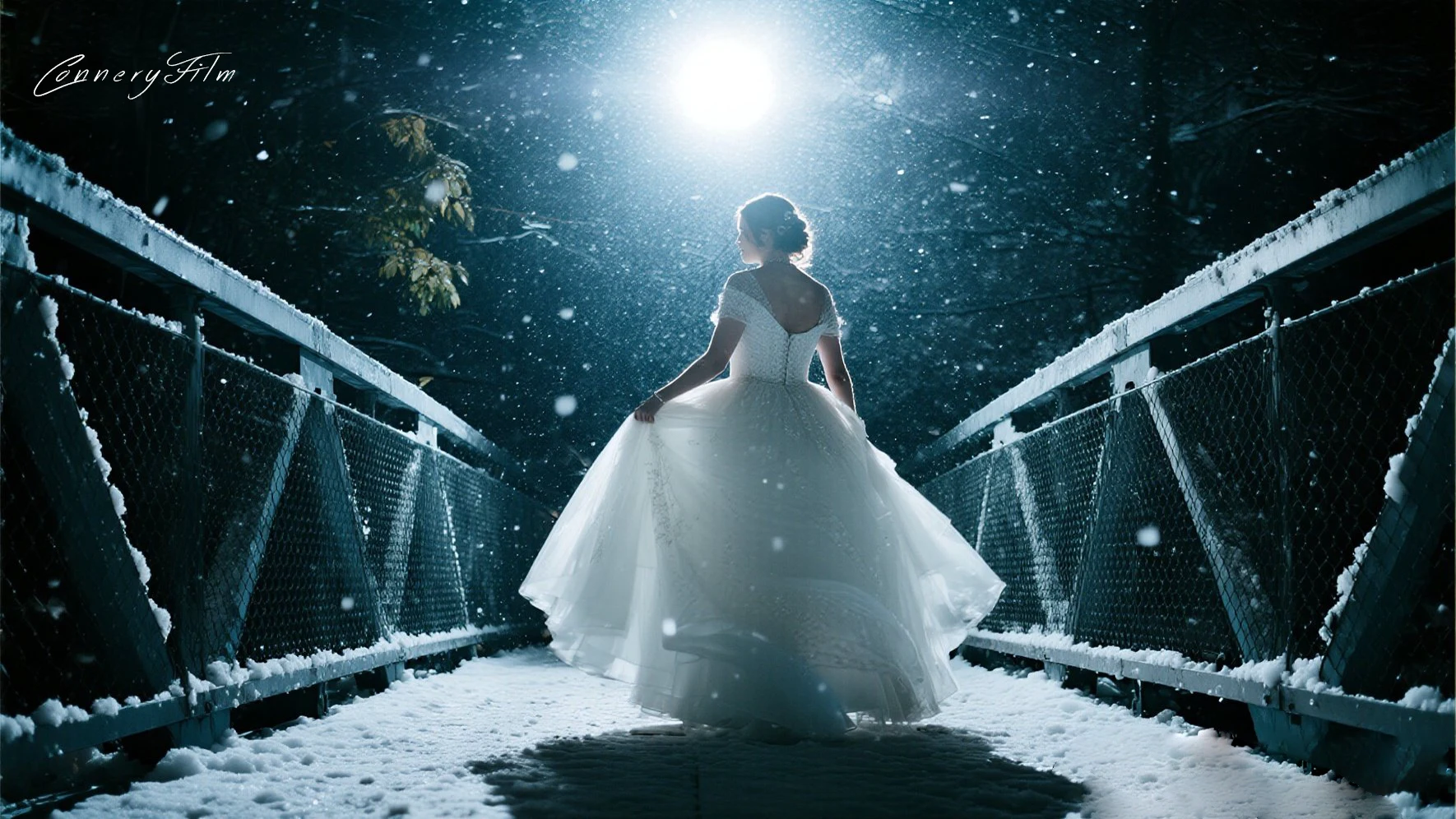
The short answer to what time your wedding photographer should arrive is this: about two hours before you plan to be fully dressed and ready, which for most Los Angeles weddings lands somewhere between 10:00 a.m. and 1:00 p.m. for a late-afternoon ceremony. But that clean answer hides a dozen small decisions that make the difference between a relaxed morning and a frantic one. After 17 years shooting weddings all over LA, I can tell you the arrival time is one of the most underrated planning choices you'll make, and it deserves more than a guess.
Let me walk you through how I actually build a timeline, backward from your ceremony, so you know exactly when to have your photographer knock on the door.
The Simple Rule: Build the Timeline Backward From the Ceremony
Every good wedding day timeline starts at the ceremony and works backward. If your ceremony begins at 4:30 p.m. at a venue like Calamigos Ranch in Malibu or The Ebell of Los Angeles in Mid-City, I'm not thinking about 4:30 first. I'm thinking about everything that has to happen before it, and how much breathing room each piece needs.
Here's a typical backward build for a 4:30 p.m. ceremony:
- 4:30 p.m. — Ceremony begins
- 4:00 p.m. — Guests start arriving and being seated; couple is tucked away out of sight
- 3:00–4:00 p.m. — Wedding party and family portraits (or done earlier if you did a first look)
- 2:15–3:00 p.m. — First look and couple's portraits
- 1:00–2:15 p.m. — Getting-ready coverage, detail shots, finishing hair and makeup
- 12:30 p.m. — Photographer arrives
So for that 4:30 ceremony, a 12:30 p.m. arrival gives us a calm, unhurried morning. Cut it closer than that and something always gets sacrificed, usually the detail shots or the portraits of you with your parents, which are the images people cry over years later.
What Your Photographer Actually Does in Those First Two Hours
People sometimes assume the photographer sits around during hair and makeup. Not true. Those early hours are some of the busiest and most valuable of the day. When I arrive, I'm immediately working on:
- Detail photos — the rings, invitation suite, shoes, jewelry, perfume, and your dress or suit hanging in good light. This takes 30–45 minutes to do well, and it's why I ask couples to have everything gathered in one spot before I arrive.
- Candid getting-ready moments — the laughter with your bridal party, your mom zipping up your dress, a dad seeing you for the first time. These are unrepeatable.
- Scouting the light — every room lights differently. I figure out where the good window light is before the pressure is on.
- The dressing sequence — the actual getting-into-the-dress or suit moment, which needs about 15–20 minutes and a little privacy.
If your photographer walks in with only 45 minutes before you leave for the ceremony, all of that gets crushed into a rushed blur. Two hours is the sweet spot for a wedding with one location. Add travel between a getting-ready hotel and a separate ceremony venue, and I want even more.
How Los Angeles Traffic Changes Everything
This is where LA weddings are genuinely different from weddings anywhere else, and where a lot of couples get burned. Traffic isn't a footnote here; it's a full character in your timeline.
If you're getting ready at a hotel in Beverly Hills and your ceremony is in Pasadena, that's a 30-minute drive at 10 a.m. and a 70-minute crawl at 3 p.m. If you're heading from the Westside to a downtown LA venue like The MacArthur or Vibiana on a Friday afternoon, build in serious padding. I always add 15–20 extra minutes to any Los Angeles drive time on a wedding day, and I tell couples to physically leave for the ceremony 30 minutes earlier than feels necessary.
That traffic reality is exactly why arrival time matters so much. A photographer who arrives with cushion can absorb a slow makeup artist or a traffic delay. A photographer arriving on the edge has no margin, and the whole day tilts into stress.
To First Look or Not: It Changes Your Arrival Time
Whether you do a first look dramatically shifts your morning, so decide early.
With a first look: We do your couple's portraits and often the full wedding party photos before the ceremony. This is my favorite approach in LA because it lets you actually attend your own cocktail hour instead of disappearing for an hour of photos. It requires an earlier arrival, usually 2.5 hours before the ceremony, because we're front-loading a lot of coverage.
Without a first look: You keep the traditional aisle reveal, but now all your portraits get squeezed between the ceremony and reception, typically during cocktail hour. This makes golden hour timing critical. In LA, sunset ranges from about 4:45 p.m. in December to 8:10 p.m. in June, and that soft late-day light is when your couple's portraits look their absolute best. A skilled photographer plans your timeline around that window.
How Many Hours of Coverage Do You Actually Need?
Arrival time and total coverage hours are two sides of the same coin. Here's what I see across LA weddings:
- 6 hours: Works for a smaller, single-venue wedding, maybe 50–80 guests, where getting-ready and reception happen in the same place. Coverage typically starts an hour or so before the ceremony and ends after the first dances.
- 8 hours: The most popular choice. Covers getting ready through the first 60–90 minutes of the reception. Good for the classic Los Angeles wedding.
- 10 hours: Best if you have a separate getting-ready location, a large guest count, or want coverage through the party, sparkler exit, and late-night moments.
In the LA market, wedding photography packages generally run from around $3,500 on the budget end to $8,000–$12,000 for experienced, in-demand photographers, with luxury studios going well beyond that. Adding an extra hour of coverage usually costs $400–$700. When you're deciding arrival time, don't shave an hour off just to save money and then lose your entire getting-ready story. That hour of prep footage is often the most emotional part of the gallery.
Why One Team for Photo and Video Makes Arrival Time Easier
Here's something couples rarely think about until the wedding day: if you hire a separate photographer and a separate videographer, you now have two vendors who each need their own arrival time, their own timeline assumptions, and their own opinions about where to stand. I've watched two-vendor mornings turn into quiet turf wars over the best window light.
At ConneryFilm, we run photography and cinematic videography under one roof, one team, one timeline. When we build your arrival time, the photo and film sides are already coordinated, so there's no doubling up on your getting-ready room and no crossed wires about when to be there. One arrival time, one plan, one seamless experience. It also means the moments captured on camera and on film match, because the same team planned both. That coordination alone removes a huge amount of day-of friction.
When Should You Expect Your Photos and Video Back?
Arrival time gets a lot of attention, but couples also want to know about the other end. In LA, typical turnaround for edited wedding photos runs 4–8 weeks, with many studios delivering a sneak peek of 20–50 images within 3–7 days. Cinematic wedding films usually take longer, generally 8–16 weeks, because color grading, audio syncing, and editing a highlight film is genuinely time-intensive. When one studio handles both, delivery tends to stay in sync and communication is simpler, since you're not chasing two separate vendors for two separate timelines.
Practical Tips to Nail Your Arrival Time
- Ask your hair and makeup artist for a schedule. If you have five bridesmaids plus the bride, that's often a 4–5 hour glam session. Your photographer should arrive when the bride is roughly 75% done, so we catch the finishing touches, not the very first foundation coat.
- Gather your details the night before. Put the rings, invitations, shoes, jewelry, and any heirlooms in one box. It saves 15–20 minutes of hunting the next day.
- Confirm the earliest room access. Some LA hotels won't release a getting-ready suite until noon or 1 p.m. That can force your entire timeline. Check this before you set an arrival time.
- Share the venue address and parking situation. Downtown LA and Hollywood venues can eat 15 minutes just finding parking. Tell your team where to go.
- Build in a buffer. If your gut says arrive at 1 p.m., make it 12:30. You will never regret a calm, early start.
A Real Los Angeles Timeline Example
Say you're marrying at a Malibu vineyard with a 5:00 p.m. ceremony in October, doing a first look, with the bride and party getting ready at a nearby villa. Here's how I'd set it:
- 1:30 p.m. — Photo and video team arrives, starts detail shots
- 2:15 p.m. — Getting into the dress and suit
- 3:00 p.m. — First look and couple's portraits in golden pre-sunset light
- 3:45 p.m. — Wedding party and family portraits
- 4:30 p.m. — Everyone hidden, guests seated
- 5:00 p.m. — Ceremony
- 5:30 p.m. — Sunset couple portraits (October sunset is around 6:20 p.m.)
That 3.5-hour head start before the ceremony gives us everything: relaxed prep, full portraits, and zero panic. That's the day I want for every couple.
FAQ
How early should a wedding photographer arrive before the ceremony?
Plan for about two hours before you're fully dressed and ready for a single-location wedding, and 2.5 to 3.5 hours before the ceremony if you're doing a first look or have a separate getting-ready venue. For most LA afternoon weddings, that means arriving between 11:00 a.m. and 1:30 p.m.
Does the videographer arrive at the same time as the photographer?
When you hire one studio for both, like ConneryFilm, yes, the photo and film team arrives together on a single coordinated timeline. If you book two separate vendors, you'll need to align their arrival times yourself and make sure they've talked beforehand, which is one more thing on your plate.
How much does an extra hour of wedding photography cost in Los Angeles?
Additional coverage usually runs $400 to $700 per hour in the LA market, depending on the studio and whether video is included. If you're on the fence, it's almost always worth adding time to the front of the day for getting-ready coverage rather than cutting it short.
What happens if hair and makeup runs late?
It happens on nearly every wedding, which is exactly why arrival buffer matters. If your photographer arrives with cushion, a 30-minute glam delay is absorbed easily. If they arrive tight to the schedule, that delay eats directly into your portrait time. Build in the padding up front.
Should the photographer arrive before or after I'm in my dress?
Before. You want them there while you're roughly 75% ready so they can shoot the details, the finishing touches, and the actual moment of getting into your dress or suit. Those are some of the most emotional images in the whole gallery, and they can't be recreated later.
How long after the wedding will we get our photos and video?
In Los Angeles, expect edited photos in about 4 to 8 weeks, often with a sneak peek within a week, and a cinematic film in roughly 8 to 16 weeks. Booking photo and video with one team helps keep both deliveries coordinated and the communication simple.
Getting your photographer's arrival time right is really about protecting the calm, joyful morning you deserve. If you'd like help building a timeline that fits your venue, your traffic, and your light, I'd love to talk it through with you. Call or text 818.749.7039 or reach out through ConneryFilm.com, and let's map out your day so the whole thing feels easy from the first click of the camera to the final frame of your film.
Meet the Author: Connery Davoodian Hello, I'm Connery Davoodian, the visionary behind ConneryFilm, and I'm thrilled to share insights from my 17-year journey through the world of wedding photography and videography. My passion extends beyond simply capturing images; it's about artfully weaving your unique love story into a timeless, cinematic masterpiece. My artistic path began long before I ever picked up a camera, deeply rooted in music as a singer, songwriter, and multi-instrumentalist. This diverse background in directing, producing, and editing has cultivated a unique perspective, allowing me to approach each wedding not just as an event, but as a dynamic narrative waiting to be beautifully told. This blend of technical mastery and creative storytelling is the heartbeat of ConneryFilm, ensuring that every frame, every shot, and every film is infused with depth, emotion, and unparalleled artistic integrity. At ConneryFilm, we believe your wedding memories deserve nothing less than bespoke luxury. My philosophy centers on capturing the authentic, unscripted moments – the genuine smiles, the tender glances, the joyful laughter – that truly define your day. While we obsess over exquisite details and sophisticated aesthetics, our true joy comes from making you feel completely at ease, like a "friendor" who genuinely celebrates alongside you. This calm, organized presence allows your true personalities to shine, resulting in images and films that are as real and vibrant as your love itself. Based in the heart of Los Angeles, California, my team and I are privileged to serve couples across the globe, bringing our signature high-end wedding photography and videography to destination weddings worldwide. Through these blog posts, I aim to share invaluable insights, luxurious inspiration, and practical, fun advice to guide you through your wedding planning journey, helping you make informed decisions about preserving your most cherished moments. Thank you for trusting ConneryFilm to be a part of your extraordinary adventure. I'm excited to share my knowledge and passion with you, helping you create memories that will last forever.